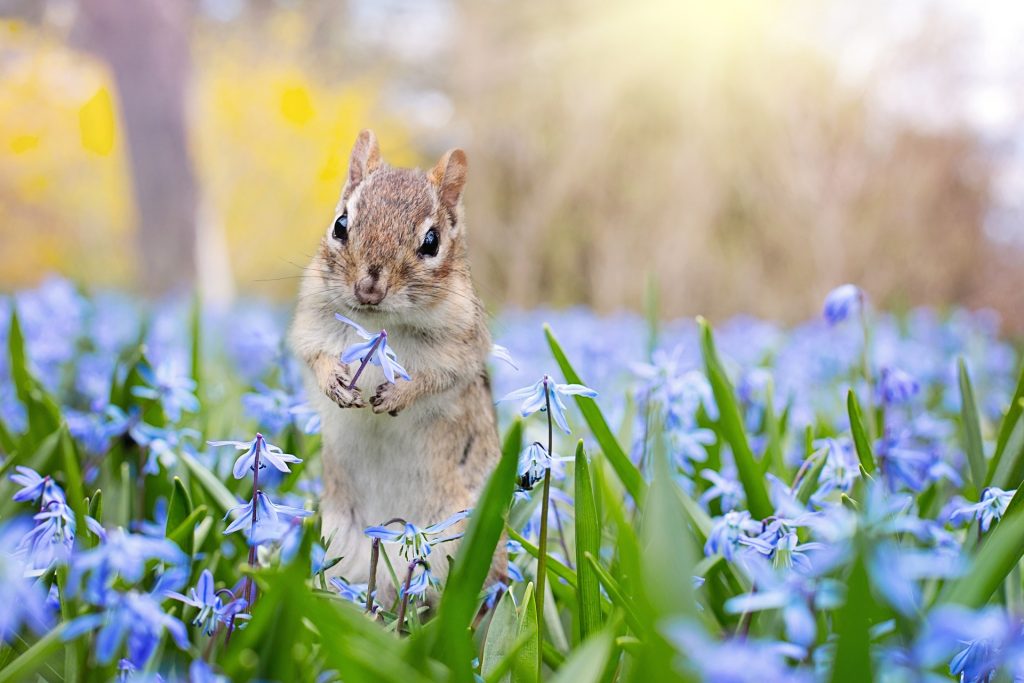
Gardens have long been spaces for tranquility and natural beauty. However, they can be so much more than that. By welcoming wildlife into your garden, you can create a thriving ecosystem right outside your doorstep. In this comprehensive guide, we’ll delve into the world of garden wildlife and explore how beginners can provide food, water, shelter, and nesting sites for these delightful visitors.
Understanding the Benefits of Garden Wildlife
Why should you invite wildlife into your garden? The advantages are manifold. First and foremost, garden wildlife can greatly enhance the ecosystem of your outdoor space. Birds, bees, butterflies, and other creatures contribute to pollination, plant growth, and pest control, fostering a healthier environment for all.
Beyond the ecological benefits, the presence of wildlife adds a touch of magic to your garden. Picture colorful butterflies fluttering gracefully, melodious bird songs filling the air, and bees diligently pollinating your flowers. These moments not only captivate the senses but also have therapeutic qualities, reducing stress and enhancing overall well-being.
The Basics of Wildlife Attraction
To attract and maintain wildlife in your garden, it’s essential to provide them with the basics: food and water. Consider planting a variety of nectar-rich flowers, shrubs, and trees that cater to different species. Bird feeders stocked with seeds and suet cakes are also excellent options to attract feathered friends.
Water features, from small birdbaths to larger ponds, are irresistible to wildlife. Ensure a fresh and clean water source is readily available, particularly during hot and dry seasons. These simple additions can make your garden a wildlife oasis.
Providing Shelter for Wildlife
Wildlife needs safe havens, both natural and artificial. Bushes, shrubs, and trees offer natural shelter, providing cover from predators and the elements. Additionally, consider installing birdhouses, bat boxes, and insect hotels to create artificial shelter opportunities.
Nesting sites are crucial, especially during breeding seasons. Providing suitable nesting boxes for birds can encourage them to make your garden their home. It’s a rewarding experience to witness the cycle of life right in your backyard.
Selecting Wildlife-Friendly Plants
When it comes to choosing plants for your garden, native species are your best allies. They are adapted to your region’s climate and provide essential food sources for local wildlife. Research which plants attract specific wildlife species in your area and diversify your garden accordingly.
Bird-Friendly Gardening
Birds are among the most captivating garden visitors. To attract them, create a bird-friendly environment by planting fruit-bearing trees and shrubs. Different bird feeders cater to various species, so consider a range of options. Position feeders strategically, ensuring they are easily accessible and visible from your vantage point.
Attracting Butterflies and Pollinators
Butterflies and pollinators are not only enchanting but also vital for your garden’s health. Plant a variety of nectar-rich flowers and provide host plants for caterpillars. By doing so, you’ll encourage these beautiful insects to visit and contribute to the lifecycle of your plants.
Dealing with Garden Pests Naturally
An unexpected benefit of attracting wildlife is natural pest control. Many birds and insects feed on common garden pests, reducing the need for harmful chemicals. Companion planting, where specific plants deter pests when grown together, is another eco-friendly method to protect your garden.
Maintaining Garden Ethics and Safety
While it’s delightful to have wildlife in your garden, it’s equally important to ensure their safety. Avoid using pesticides and herbicides that can harm these creatures. Participate in local wildlife conservation efforts and support initiatives that protect endangered species.
Tips for Photographing Garden Wildlife
Capturing the beauty of garden wildlife through photography can be a rewarding hobby. Invest in a good camera and learn about wildlife behavior to capture stunning shots. Patience and a keen eye are key to preserving these moments forever.
Designing Your Wildlife-Friendly Garden
Creating a wildlife-friendly garden involves thoughtful design and layout. Incorporate various heights, from tall trees to low-lying shrubs, to cater to different species. Consider adding pathways and seating areas so you can enjoy the wildlife show comfortably.
Educating and Inspiring Others
Share your newfound knowledge and enthusiasm for wildlife-friendly gardening with friends, family, and neighbors. By building a community of like-minded individuals, you can collectively make a significant impact on local wildlife preservation.
Conclusion
Transforming your garden into a haven for wildlife is a fulfilling journey. By providing food, water, shelter, and nesting sites, you’ll witness the beauty and wonder of nature right outside your window. Embrace this opportunity to coexist with wildlife and contribute to a healthier, more vibrant ecosystem.
FAQs
Is it difficult to start a wildlife-friendly garden as a beginner?
- Not at all. With some basic knowledge and a passion for nature, anyone can create a welcoming environment for wildlife.
What are some common mistakes to avoid when attracting wildlife to your garden?
- Avoid using chemical pesticides, and be mindful of overfeeding birds, which can attract unwanted pests.
Are there any specific native plants I should consider for my garden?
- Native plant choices should align with your region. Research local wildlife and their preferred plants for best results.
Can I attract larger wildlife like deer or rabbits to my garden?
- While it’s possible, larger wildlife may have more extensive habitat requirements. Focus on smaller creatures for easier success.
How can I involve children in wildlife-friendly gardening to educate them about nature?
- Get kids involved in planting and observing wildlife. It’s a fantastic way to instill a love for nature from an early age.
Embarking on this journey into wildlife-friendly gardening will not only enrich your life but also contribute to the preservation of local ecosystems. So, take those first steps, and watch your garden come to life with the wonders of nature.